
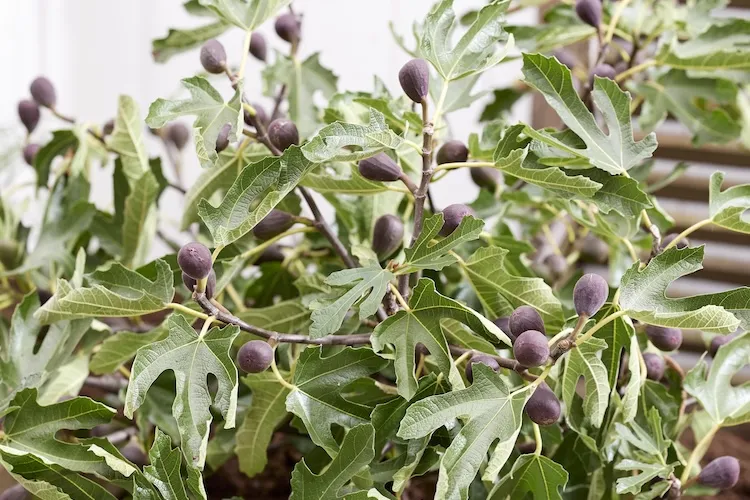
Fig Trees Are Surprisingly Easy to Grow—Here’s How to Get a Bountiful Harvest
Fig trees carry an almost ornamental elegance, which often leads gardeners to assume they’re delicate or high-maintenance. In reality, the opposite is true. These trees are fast-growing, self-pollinating, and remarkably well-suited to warm, dry conditions—making them one of the more forgiving fruit trees you can grow at home.
Beyond their ease of care, fig trees offer something even better: a reliable harvest that returns year after year. With the right setup, they can quietly become one of the most rewarding additions to your garden.
What to Know Before Growing a Fig Tree
Fig trees are widely considered one of the most beginner-friendly fruit trees for home gardeners.
“They’re relatively drought-tolerant once established, adaptable to different soil types, and less prone to pests and disease than many other fruit trees,” says Elin Harryson, gardening expert for Planta. The main challenges, she notes, are protecting them from harsh winter temperatures and ensuring they receive enough sun to fruit reliably.
Best Growing Zones for Fig Trees
Figs thrive in USDA Zones 7 through 10, where long, warm growing seasons allow fruit to fully develop.
“They perform best when both daytime and nighttime temperatures stay consistently warm,” explains Karen Musgrave, horticulturist and landscaper at Hicks Nurseries. In these regions, fig trees can typically be grown directly in the ground without special protection.
Because varieties differ widely, gardeners are encouraged to choose cultivars suited to their local climate—some are bred for colder conditions, while others prefer Mediterranean-style heat and dryness.
Growing Fig Trees in Cold Climates
In cooler regions with harsh winters, container growing becomes the more practical option. This allows gardeners to move trees indoors or into sheltered spaces during freezing weather.
“The plants can be placed in a garage, shed, or unheated structure over winter,” Musgrave notes. “In-ground planting is possible, but winter protection becomes essential during extreme cold spells.”
Gardening expert Victoria Oppenheim of Garden Girl adds that container size matters significantly. A pot between 15 and 25 gallons is ideal to support root growth, and using a wheeled planter can make seasonal movement far easier.
How to Grow a Fig Tree
Once established in the right conditions, fig trees are relatively low-effort. Success comes down to location, planting technique, and consistent early care.
Find the Right Location
Whether planted in the ground or a container, fig trees need abundant sunlight—ideally six to eight hours per day.
“If possible, choose a south-facing spot near a wall or structure for added warmth and wind protection,” advises Harryson. She also recommends avoiding low-lying areas where cold air and moisture tend to settle.
For in-ground planting, Oppenheim suggests allowing generous space for mature growth, adding at least five feet of clearance around the tree.
Planting in the Ground
Start by clearing grass and debris from the area. Dig a hole roughly twice the width of the root ball and slightly deeper, then position the tree and backfill with soil.
Water thoroughly after planting. “A good rule is to water until the soil stops absorbing moisture,” says Oppenheim.
Fig trees prefer well-drained soil with moderate fertility and a slightly acidic to neutral pH. Poor drainage is one of the most common reasons young trees struggle to establish.
Watering Needs
Newly planted fig trees require consistent weekly watering for the first two years while their root systems develop.
Once mature, they become far more drought-tolerant. “At that stage, deep and infrequent watering is better than frequent shallow watering,” says Harryson, encouraging stronger root growth and resilience.
Fertilizing the Tree
While enriched soil at planting provides a strong start, fig trees benefit from annual fertilization using a balanced formula.
Musgrave cautions against overfeeding: too much fertilizer can lead to excessive leaf growth at the expense of fruit production.
How Long Until Fig Trees Bear Fruit?
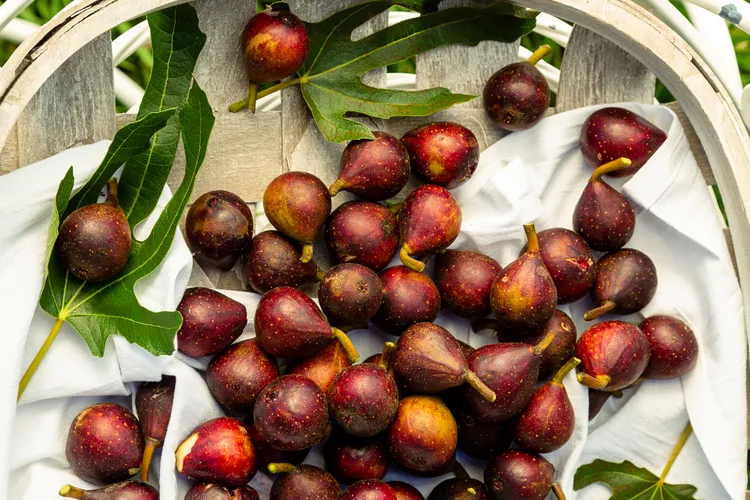
Most nursery-grown fig trees begin producing fruit within one to three years after planting. In some cases, established young trees may even produce a small crop in their first season.
Trees grown from seed, however, require significantly more time before yielding fruit.
Pruning for Better Harvests
Pruning plays a key role in maintaining productivity. Many gardeners shape fig trees into multi-stemmed shrubs rather than single-trunk trees, which makes harvesting and winter protection easier.
Pruning is typically done in early spring, after the last frost but before new growth begins. Because figs produce fruit on current-season growth, careful pruning encourages the fresh shoots that will carry the season’s harvest.
Protecting Your Tree from Weather
Fig trees are sensitive to extreme conditions. Before the first hard frost, Oppenheim recommends wrapping outdoor trees in burlap from base to top for insulation.
Container-grown trees should be moved indoors or into sheltered areas until temperatures rise again. In the height of summer, Harryson also suggests using lightweight shade cloth to protect leaves from scorching sun.
With the right balance of sunlight, protection, and minimal care, fig trees can thrive for years—quietly turning a backyard corner into a steady source of fruit.