
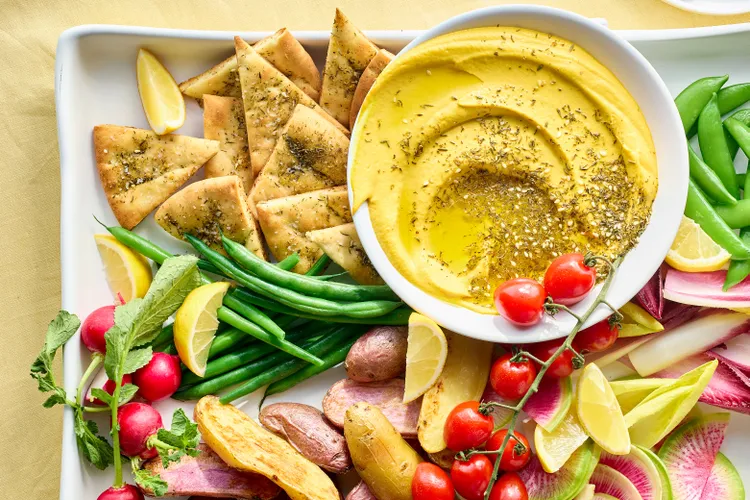
Meet the High-Protein Dip That’s Perfect for Summer Snacking
Key Takeaways
- This lemony golden beet hummus is a protein-rich, versatile dip that works with crackers and vegetables, but also shines as a spread, grain bowl topping, or side for grilled meats.
- It’s easy to prepare ahead of time, since the beets can be roasted in advance, and the finished dip keeps well for up to five days while tasting great at room temperature.
- The recipe is highly adaptable—leftovers can become pasta sauce, and the base can be reinvented with red beets, carrots, or sweet potatoes for colorful variations.
A great dip does more than sit in a bowl. It becomes a centerpiece, a quick snack, and a quiet kitchen shortcut all at once. The Real Simple Lemony Golden Beet Hummus is exactly that kind of multitasker. Bright, golden, and slightly tangy, it swaps chickpeas for roasted beets blended with tahini, creating a creamy spread that feels both nourishing and indulgent. Each serving delivers about 7 grams of protein along with fiber, iron, calcium, and other beneficial nutrients.
How the Golden Beet Hummus Comes Together
The process begins with roasting beets—a simple, hands-off step that only requires piercing them and letting them soften in the oven for up to an hour. Once tender, they can be cooled, peeled, and chopped. This step can easily be done a day or two ahead, making the rest of the recipe quick to assemble.
While the beets roast, pita rounds can be brushed with olive oil and finished with za’atar and lemon zest, creating a fragrant, crispy companion for dipping.
From there, the softened beets go into a food processor along with garlic, tahini, lemon juice, lemon zest, olive oil, and salt. Blended together, they transform into a smooth, golden dip with a bright citrus edge and earthy depth.
Storage and Serving Tips
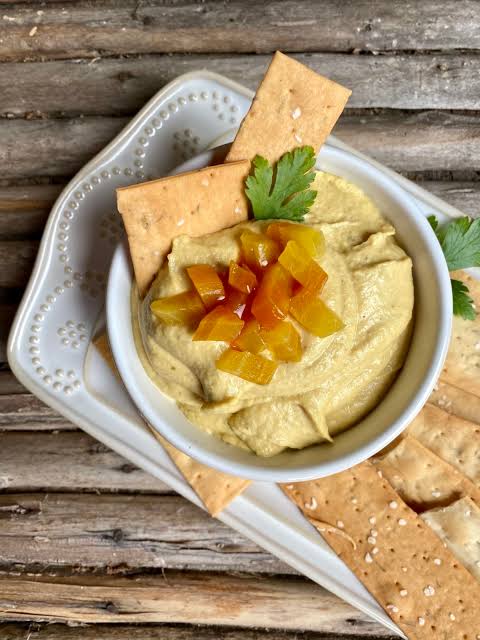
Once prepared, the hummus keeps well in the refrigerator for up to five days in a sealed container. It’s at its best when served at room temperature, which also makes it especially convenient for outdoor meals like picnics or summer gatherings where refrigeration isn’t always available.
If your beets come with fresh greens, they can be saved for garnish, adding a vibrant finishing touch. A drizzle of olive oil and a pinch of flaky salt right before serving also elevate both flavor and presentation.
Creative Ways to Use Leftovers
This dip is more than a snack—it’s a base ingredient with surprising range. Leftovers pair beautifully with pasta: simply cook noodles, reserve a bit of salted cooking water, and toss everything together with the beet hummus until it loosens into a silky sauce. Fresh herbs, greens, or even grated cheese can finish the dish.
Colorful Variations for Any Table
One of the most appealing aspects of this recipe is how easily it adapts. Red beets create a deep magenta version, while roasted carrots or sweet potatoes produce warm orange tones packed with their own subtle sweetness and nutrients.
For visually striking spreads, mixing different versions side by side creates a vibrant, multi-colored platter that feels modern and playful. Combining red and golden beets can even produce soft pink shades and ombré-style presentations with minimal extra effort.
What to Serve It With
Because of its naturally sweet, earthy profile, this hummus pairs surprisingly well with bold, salty, and spicy flavors. Crisp vegetables like radishes, celery, turnips, broccoli, and cauliflower all work as fresh, crunchy dippers. Even salty chips add contrast that balances the dip’s richness.
It also works beyond the snack table. Spread it beneath grilled meats like steak, chicken, or pork, and it becomes a flavorful base that adds color, moisture, and subtle sweetness to the plate. In every variation, it proves to be more than just a dip—it’s a flexible foundation for summer cooking.