

I Put My House to Bed Every Night—and It’s the Secret to Stress-Free Mornings
Key Takeaways
“Putting your house to bed” is a nightly reset ritual where you spend a few minutes restoring order so you wake up to a calm, structured space.
Small, steady habits—like washing dishes and clearing surfaces—can significantly cut down morning stress and free up time.
Starting with a handful of simple, manageable actions and gradually expanding them makes the routine easier to sustain.
As someone who values a clean and orderly home, I’ve experimented with countless organization “hacks” over the years—some genuinely helpful, others less so. With an endless stream of tips circulating online, it often becomes difficult to separate practical systems from those that only look good on paper.
So when I first encountered the idea of “putting your house to bed” on social media, the phrase alone caught my attention. It reframed home organization in such a simple, almost soothing way. After looking deeper into the concept with input from professional organizers, I decided it was worth testing in real life.
What Does It Mean to “Put Your House to Bed”?
Putting your house to bed is exactly what it sounds like: a deliberate end-of-day routine where you tidy up, reset your space, and return everything to its rightful place before sleep.
It mirrors the logic of a personal nighttime routine—brushing your teeth, washing your face, winding down with a book—that prepares you for a smoother morning. The actions differ, but the intention is the same: you wake up to a space that already feels under control rather than chaotic.
“Putting your house to bed is essentially a daily reset,” says Faith Roberson of Organize With Faith. “It’s the intentional sweep through your home at the end of the day—returning items to where they belong and setting your environment in order.”
The purpose is simple: prevent mornings that begin with dirty dishes in the sink, scattered blankets, and the slow accumulation of clutter that immediately adds mental load. It isn’t a one-off effort but a repeating habit designed to reshape how you maintain your space.
“By getting your house organized before bed, there won’t be lingering tasks to do when you wake,” says Amelia Meena of Appleshine Organization and Design. “You’re giving yourself a clean slate for the morning.”
How I Put My House to Bed
To fairly test the method, I committed to it for a full week before drawing any conclusions. Each night, I followed a simple room-by-room reset.

Living Room: Before moving from the couch to bed, I folded any blankets I had used, straightened the pillows into place, and returned the TV remote to the end table where it belongs.
Kitchen: After dinner, any dirty dishes went straight into the dishwasher. Pots and pans were put back in cabinets once dry, and countertops or the stove were quickly wiped down if needed.


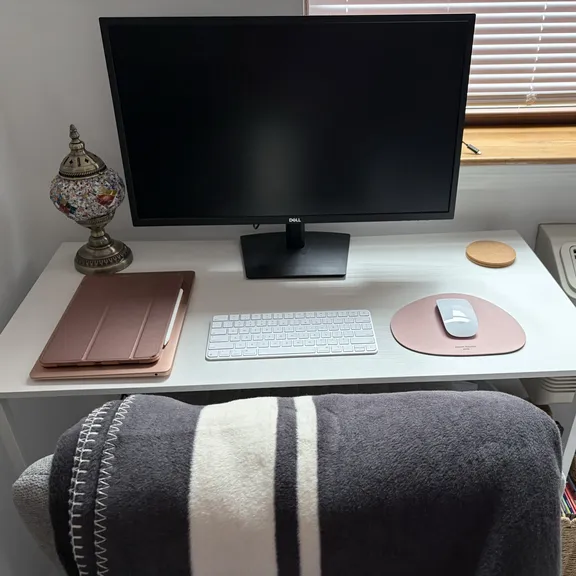
Desk: If I had spent time working in the evening, I closed my laptop and tablet and stacked them neatly to one side, clearing visual clutter from the workspace.
Bedroom: Clothes from the day were sorted immediately—worn items into the hamper, clean pieces back into the closet instead of being left out.
After repeating these small steps for seven days, I noticed a clear shift in my mornings. What used to be a rushed scramble of tidying before heading out became a calmer start, with time to actually sit and drink coffee instead of chasing unfinished chores. Waking up to an already orderly space removed that early sense of overwhelm.
How to Make It a Habit
After a week of consistency, I plan to continue the practice and turn it into a long-term routine rather than a temporary experiment.
“What many people underestimate is how quickly systems fall apart when they’re not maintained,” says Roberson. “Making this reset part of your daily rhythm helps preserve order and keeps you engaged with your space instead of overwhelmed by it. Maintenance is everything.”
Professional organizers suggest dedicating 10 to 15 minutes each evening to a short checklist:
Put dirty clothes in the hamper.
Sort through mail and discard what isn’t needed.
Break down boxes and take out recycling.
Prepare your bag for the next day.
Wipe and clear countertops.
Wash dishes and load the dishwasher.
Do a quick sweep of shared spaces, returning items to their proper places.
If that feels like too much at once, the advice is to scale it down. “Start with one task per night and focus on what makes the biggest difference,” says Meena.
While there’s always the temptation to postpone everything until morning, this nightly reset has replaced chaotic wakeups with something far more grounded. And the trade-off—about ten minutes of tidying for a calmer start—has proven well worth it.
“Choose a time that fits your routine—after work, after dinner, or right before your skincare and brushing your teeth,” says Roberson. “Keep it simple and stay consistent. Even small efforts compound over time.”